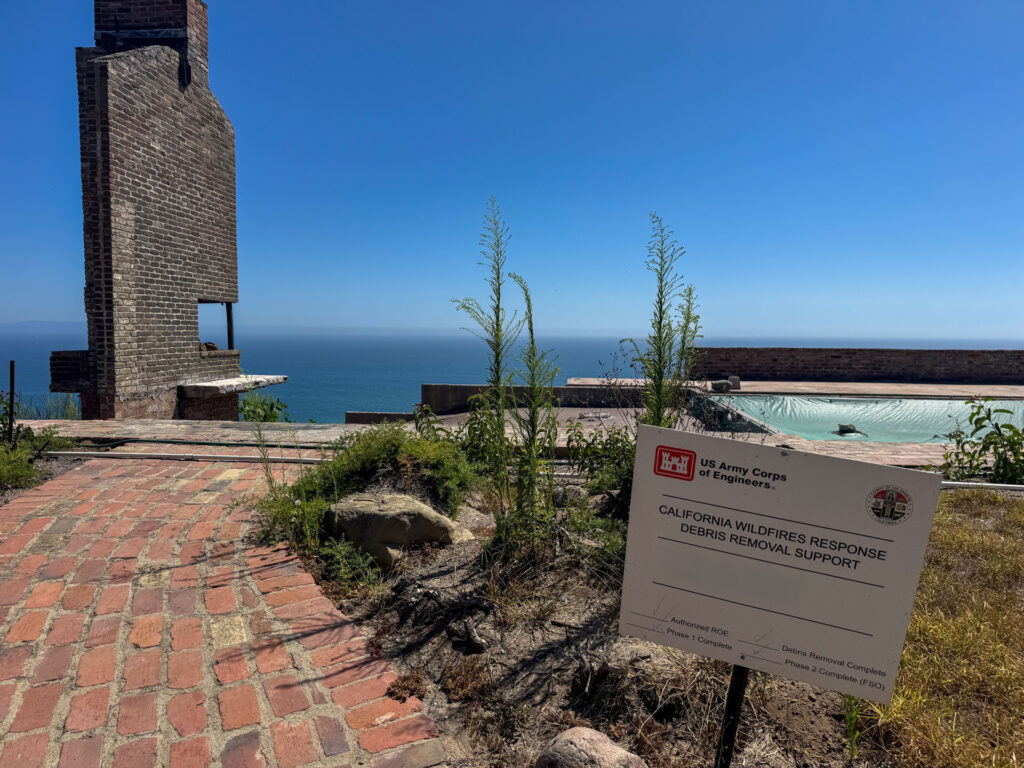
It has been one year since devastating wildfires swept through parts of California, leaving communities like the Pacific Palisades and Altadena scarred by destruction. These fires, fueled by extreme drought conditions and high winds, burned thousands of acres, destroyed homes, and displaced families. Today, we look at the facts about the damage and the progress made toward recovery.
The Impact of the Fires
Acreage Burned: The Palisades Fire scorched approximately 1,200 acres, while the Altadena area had 450 acres that were burned. Collectively, the fires during the month of January 2025 also including Ventura County, San Bernardino Foothill, and Northern California effected 24,000 acres statewide.
Evacuations: More than 18,000 residents statewide were forced to evacuate during the peak of the fires.
Structures Lost: In LA County, more than 13,000 homes and residential units were destroyed.
Progress After One Year
Debris Removal: A historic cleanup initiative saw 2.5 million tons of debris and hazardous materials removed within nine months—roughly twice the volume removed from Ground Zero after 9/11.
Permitting: In the Palisades, 3,243 permit applications have been submitted with 1,462 issued. In the Altadena area, 2,740 permits were submitted with 1,144 issued.
Rebuilding Homes: Many homeowners have begun reconstruction, which has begun on approximately 500 with fewer than a dozen homes fully rebuilt to date. In the Pacific Palisades & Malibu 426 homes are under construction with 2 homes completed. For the Eaton fire zone (Altadena area), 535 homes are under construction with 7 homes completed.
Infrastructure Repairs: Roads and utility lines damaged by fire have been restored, and hillside stabilization projects are underway to prevent mudslides.
Community Support: Local organizations and state programs have provided grants and low-interest loans to assist residents. Mental health and disaster recovery services remain active.
Wildfire Prevention: Fire departments have expanded brush clearance programs and installed new fire breaks. Community education on defensible space and emergency preparedness has increased significantly.
Challenges Ahead
While progress is visible, challenges remain. Insurance delays and bureaucratic hurdles continue to stall construction, contributing to slower-than-expected rebuilding. Over 70% of survivors remain displaced, still navigating insurance claims and local permitting systems. State and local agencies are collaborating to streamline permit processes, improve inspection timelines, and accelerate recovery.
Looking Ahead: Building Resilience for the Future
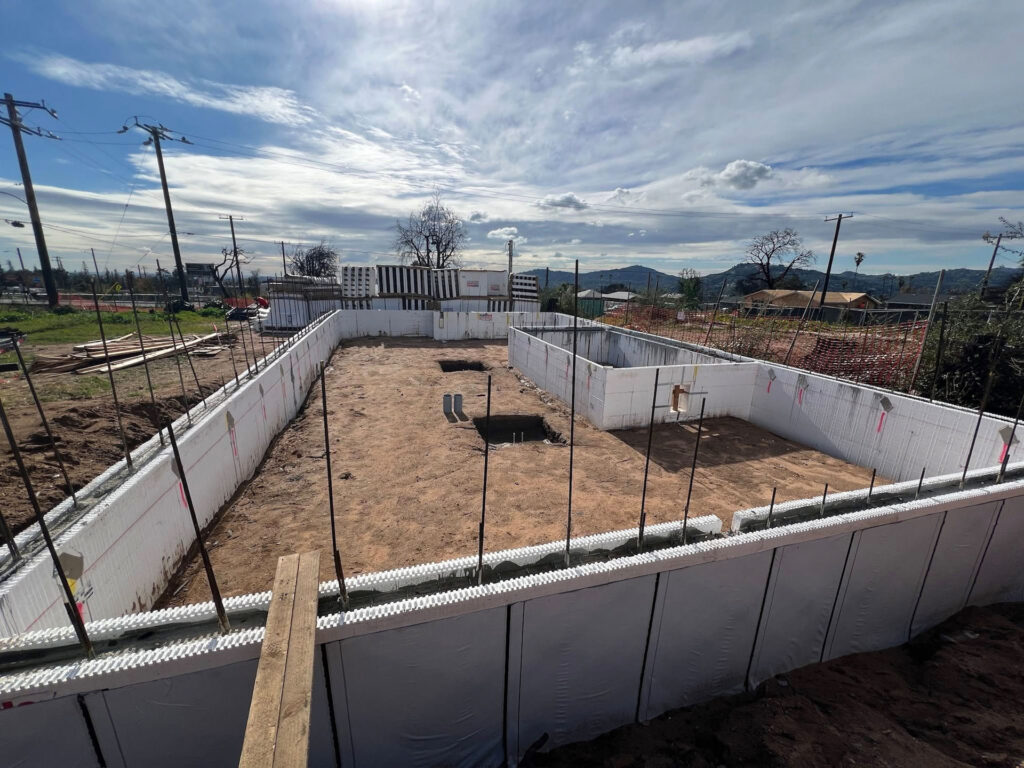
As Southern California continues its long road to recovery, one thing is clear: rebuilding isn’t just about replacing what was lost—it’s about creating homes that can withstand future disasters. Innovative solutions like insulated concrete forms (ICFs), which offer a 4-hour fire rating, are gaining attention for their durability and energy efficiency.
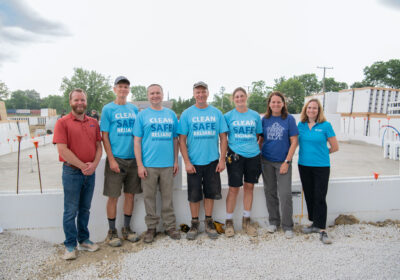
In fact, one homeowner in Altadena has chosen to rebuild using BuildBlock’s ICF building system, ensuring a disaster-resilient home that prioritizes safety and sustainability. Construction is currently underway, signaling a new chapter where communities are not only restoring but fortifying against the challenges ahead.